Use Chat : true

Memory Care Houston, TX: How Familiar Activities Can Support Clarity and Comfort

Written By: Morada Cy-Fair
Memory Care Houston, TX: How Familiar Activities Can Support Clarity and Comfort

Memory care in Houston, TX often uses familiar activities like music, sorting tasks, and daily routines to support clarity, reduce anxiety, and maintain emotional stability for people with dementia. These structured, recognizable experiences help preserve identity, encourage brain engagement, and provide comfort when short-term memory becomes unreliable. Familiarity acts as an anchor, allowing individuals to feel safer and more connected to their surroundings.

Have you ever wondered why a familiar song or repeated task can suddenly calm someone with memory loss? The answer lies in how the brain retains emotional and procedural memory.

Today, we're taking a closer look at how structured activities and familiarity can support comfort, recognition, and meaningful engagement in dementia care.

Why Is Routine and Familiarity Important to People With Dementia?

People living with dementia often lose short-term memory while older habits stay intact. Familiar routines can reduce fear and confusion, which helps a person feel safer in daily life. Repeated actions and recognizable patterns support emotional balance and mental engagement when new information becomes harder to process.

There are several reasons routine and familiarity matter for people with dementia:

  • Reduced stress and anxiety
  • Preservation of identity
  • Support for brain function

Reduced Stress and Anxiety

A predictable day lowers the mental effort required to understand what's happening. Sudden changes can create agitation or fear, especially when memory gaps prevent someone from making sense of a situation.

Memory-friendly routines give the brain signals that feel known and safe. Regular schedules for meals, rest, and simple brain health activities help maintain calm. Many people respond with fewer behavioral outbursts when their environment stays consistent.

Preservation of Identity

Long-term memories connect to personal history, culture, and relationships. Familiar tasks like folding towels or setting a table can trigger recognition tied to earlier life roles.

Those moments support emotional connection in aging and reinforce a sense of purpose. Repeating meaningful actions allows a person to express identity without relying on verbal memory.

Support for Brain Function

Routine activities engage procedural memory, which often lasts longer than factual recall. Cognitive care for seniors focuses on repeating tasks that stimulate attention and coordination. Structured engagement doesn't restore lost memory, yet it helps maintain remaining abilities and encourages continued participation in daily life.

What Comforts a Dementia Patient?

Comfort for a person with dementia often comes from familiar sensory experiences and gentle human connection. A calm environment paired with meaningful activity can reduce distress and encourage engagement. Simple comforts support emotional stability when memory and communication become harder.

There are several sources of comfort that help people with dementia feel secure:

  • Familiar sensory experiences
  • Meaningful repetitive tasks
  • Reassuring social connection

Familiar Sensory Experiences

Sensory memory tends to last longer than factual recall. A favorite song, a known scent, or a soft texture can trigger recognition that words no longer reach.

Familiar music often sparks emotional responses tied to earlier life moments. Gentle lighting and steady background noise help prevent overstimulation.

Many caregivers use brain health activities that involve touch, rhythm, or color to create soothing experiences. These sensory cues reduce tension and help a person stay grounded in the present.

Meaningful Repetitive Tasks

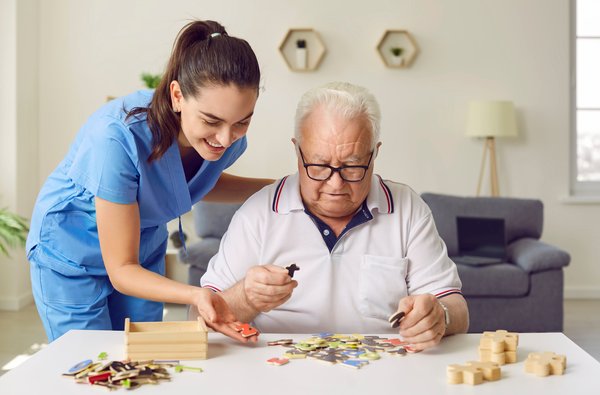
Repetition can feel calming rather than boring for someone with dementia. Sorting objects, folding laundry, or arranging items taps into procedural memory. Those actions connect to habits formed over decades.

Cognitive care for seniors often includes structured tasks that mirror daily responsibilities from earlier adulthood. Familiar movement patterns support coordination and give a sense of accomplishment. Completing a simple task can bring visible relief and pride.

Reassuring Social Connection

Emotional safety grows through steady human presence. A warm voice and patient body language communicate comfort when language fades.

Houston dementia support programs often train caregivers to focus on emotional connection in aging rather than correction. Gentle reassurance helps a person feel seen and valued. Regular interaction prevents isolation and supports a stable mood.

Frequently Asked Questions

How Does Dementia Change the Way the Brain Processes Familiar Activities?

Dementia damages areas tied to new memory formation, while older neural pathways may stay active longer. Familiar actions rely on procedural memory, which the brain stores differently from recent events.

Repeated movement and emotional memory can remain accessible after verbal recall fades. That difference explains why someone may forget a name yet remember how to perform a lifelong task.

Cognitive care for seniors often builds around preserved pathways rather than lost ones. Brain health activities work best when they align with stored habits.

Can Familiar Activities Slow Cognitive Decline?

Familiar engagement does not stop disease progression, yet it can help maintain existing skills for a longer period. Mental stimulation supports attention and coordination.

Regular activity encourages the brain to keep using available networks. Emotional connection in aging plays a role in motivation, which affects participation.

Consistent engagement may reduce behavioral symptoms that accelerate withdrawal. Quality of life often improves when meaningful activity remains present.

How Can Families Create Memory-Friendly Environments at Home?

A stable home layout helps reduce confusion and injury risk. Clear labels, soft lighting, and simple furniture placement support orientation.

Memory-friendly routines work best when daily tasks happen at predictable times. Personal items in visible areas can trigger recognition. Caregivers benefit from limiting clutter and background noise. A calm setting allows a person to focus on one task at a time.

Memory Care in Houston, TX

Memory care in Houston, TX centers on familiarity, comfort, and steady engagement. Familiar routines and meaningful activities support clarity when memory fades. Emotional connection gives people a sense of safety and identity.

Compassionate structure helps families protect dignity and daily quality of life. Small, consistent moments create stability and reassurance each day.

At Morada Cy-Fair, we offer welcoming senior living just outside Houston, with easy access to dining, shopping, and local attractions residents enjoy. Our community supports independence while providing care when needed. We offer Independent Living, Assisted Living, and Memory Care, each designed to match changing needs. Whether residents want an active lifestyle or extra support, our team provides steady guidance, comfort, and personalized attention every day.

Get in touch today to find out how we can help with your loved one's care.

Related Posts